The Best Yarn for Knitted Hats: Fiber, Weight and Feel
Fiber, weight and construction decide how a hat fits, feels and wears. Here is how wool, superwash, acrylic and cotton compare, and which thickness suits which hat.
The best yarn for knitted hats is elastic, comfortable against the forehead and thick enough to suit the season. For most knitters, and especially for a first hat, that points to a smooth worsted weight (4) wool or wool blend. It is not the only good answer, though. Three choices shape how a hat fits, feels and wears: the fiber, the weight and the way the strand is constructed.
What a hat asks of its yarn
A hat is knit smaller than the head and relies on the fabric stretching to stay in place. That makes hats more demanding than they look.
- Elasticity. The yarn should stretch and spring back, so the brim grips in the afternoon as well as it did in the morning.
- Comfort. The brim sits on the forehead and ears, some of the most sensitive skin a knitted item touches.
- Warmth to match the weather. A deep-winter hat and a cool-evening hat want different fibers and thicknesses.
- Easy care. Hats get worn often and washed fairly often. A fiber that suits the wearer’s laundry habits is a practical kindness.
Fiber: wool, cotton, acrylic and blends
Wool
Wool is the traditional hat fiber for good reason: it is warm, naturally elastic and holds its shape well. Ribbing in wool snaps back after stretching, which is exactly what a brim needs. Woolmark’s overview of wool fibre properties describes these qualities in more detail. The drawbacks are care and feel. Untreated wool can felt and shrink in a warm machine wash, so it is usually washed by hand, and some people find wool itchy, particularly coarser types.
Merino and other fine wools
Merino is wool with finer fibers, so it tends to feel softer against the skin while keeping wool’s stretch. It is a common choice for brims that sit directly on the forehead. Fine wools can be a little less hard-wearing than sturdier ones, which matters less for a hat than for socks.
Superwash wool
Superwash wool has been treated so it can go through a machine wash without felting; the label will say so and give the settings. It is smooth and easy to live with. One thing to know: superwash wool can grow when wet, so a hat may relax and lengthen after its first wash. Washing the swatch before measuring it shows what to expect.
Acrylic
Acrylic is light, widely available and generally machine washable, which makes it a sensible pick for children’s hats and gifts where the care routine is unknown. It has less natural spring than wool, so brims may loosen sooner, and it does not respond to blocking in the same way. Wool and acrylic blends aim for some of each: stretch from the wool, easy care from the acrylic.
Cotton
Cotton is cool, smooth and comfortable for people who avoid wool. It has little stretch, and a cotton hat that stretches out tends to stay stretched. Cotton hats work best with slightly less negative ease, a firm gauge and a well-planned ribbed brim, as in the lightweight cotton beanie for spring and fall. Cotton blended with a little wool or acrylic is more forgiving.
Weight: how thick should hat yarn be?
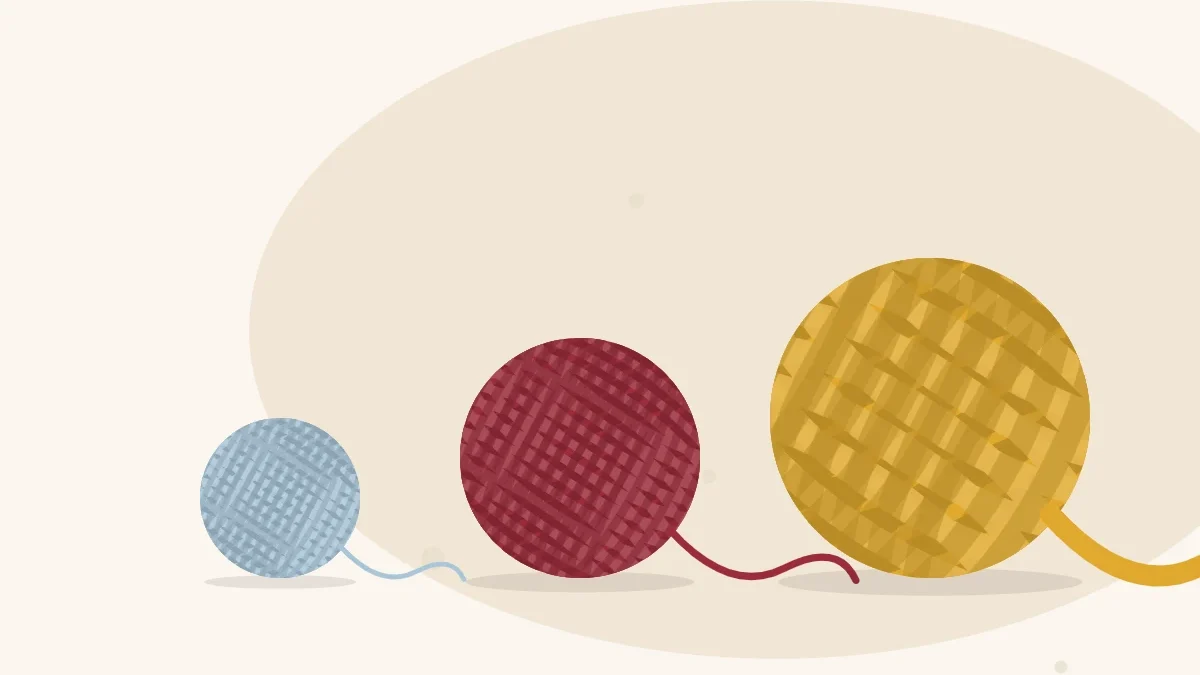
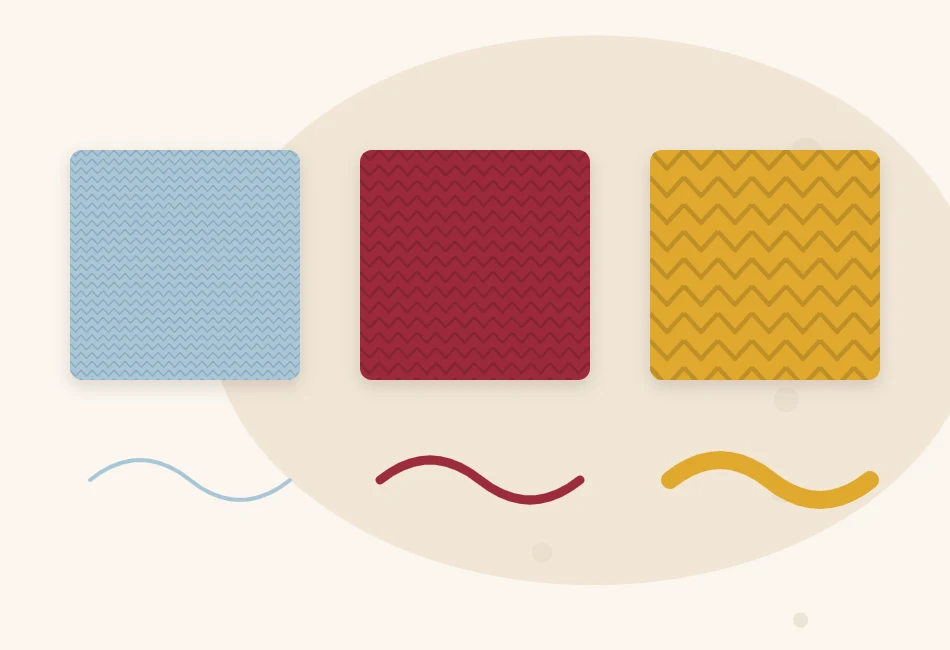
Yarn weight means thickness, not how heavy the ball is. The Craft Yarn Council’s standard yarn weight system numbers the categories from 0 to 7, and that number appears on most labels. The table below shows typical ranges for the weights used most often for hats. Yardage figures are rough estimates for a plain adult hat; buy a little extra.
| Weight | Typical gauge over 4 in (10 cm) | Typical needles | Approximate yarn for an adult hat | Character |
|---|---|---|---|---|
| DK (3) | 21 to 24 sts | US 5 to 7 (3.75 to 4.5 mm) | About 180 to 220 yd (165 to 200 m) | Light, neat fabric; more stitches per round |
| Worsted (4) | 16 to 20 sts | US 7 to 9 (4.5 to 5.5 mm) | About 150 to 200 yd (137 to 183 m) | The all-rounder; warm without bulk |
| Bulky (5) | 12 to 15 sts | US 9 to 11 (5.5 to 8 mm) | About 90 to 120 yd (82 to 110 m) | Thick and warm; quick to knit |
| Super bulky (6) | 7 to 11 sts | US 11 to 17 (8 to 12.75 mm) | About 60 to 80 yd (55 to 73 m) | Very thick; bold stitches, very fast |
Worsted is the easiest place to begin. The stitches are large enough to read, the needles are comfortable to hold and most beginner patterns, such as a classic knit beanie with a folded brim, are written for it. Thicker yarn finishes sooner: a chunky knit hat in super bulky yarn may need only 48 stitches around. Thinner yarn gives a lighter, more refined fabric that suits milder weather and layering under a hood.
Tip
The gauge on the label is a starting point, not a promise. Two worsted yarns can knit up noticeably differently, so a short gauge swatch with the actual yarn and needles is the only reliable way to predict the finished size.
Construction: how the strand is made
Two yarns of the same fiber and weight can still behave differently because of how they are spun.
- Plied yarn (several strands twisted together) is round, sturdy and gives crisp stitch definition. Ribbing and textured stitches show clearly. This is the safest choice for a first hat.
- Single-ply yarn is one soft, lightly twisted strand. It feels lovely and looks smooth, but it is more likely to pill and can split on the needle tip.
- Fuzzy or textured yarn (brushed, boucle, eyelash) hides stitches. Mistakes are hard to spot and even harder to undo, so it is best saved for later.
Quick picks by situation
| If the hat is for… | Consider |
|---|---|
| A first hat | Smooth, plied, light-colored worsted weight (4) wool or wool blend |
| Cold winters | Wool or a wool-rich blend in worsted or bulky weight |
| A child, or a gift with unknown care habits | Superwash wool or an acrylic blend that can be machine washed |
| Someone who finds wool itchy | Fine merino, cotton blends or acrylic; when in doubt, ask the wearer |
| Spring and fall | Cotton or a cotton blend in DK or light worsted weight |
| A fast project | Bulky (5) or super bulky (6) wool or wool blend |
Watch out
Substituting a different fiber changes the fit even when the gauge matches. A pattern written for springy wool will come out looser and less clingy in cotton, so consider going down a size or shortening the body slightly.
Frequently asked questions
What is the best yarn for a beginner's first hat?
A smooth, plied, light-colored worsted weight (4) wool or wool blend. The stitches are easy to see, the fabric is elastic and most beginner hat patterns are written for this weight.
Can I knit a hat with cotton yarn?
Yes. Cotton makes a cool, comfortable hat for mild weather, but it has little stretch and does not spring back like wool. Use a firm gauge, slightly less negative ease and a ribbed brim, or choose a cotton blend.
How much yarn do I need for an adult hat?
As a rough estimate, about 150 to 200 yards (137 to 183 m) of worsted weight, more for thinner yarn and less for thicker yarn. Folded brims, slouch and pom-poms all add to the total, so buy a little extra.
Is superwash wool good for hats?
It is a practical choice because it can be machine washed following the label. It can grow when wet, so wash and dry the swatch before measuring gauge to see how the finished hat will behave.